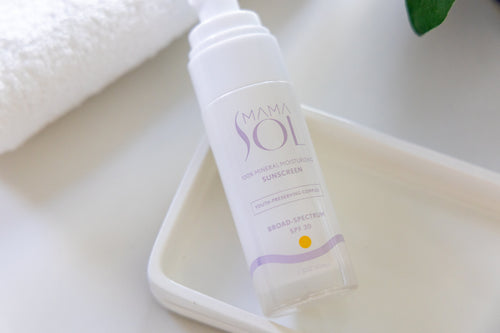


We have all been there during our morning skincare routines. You carefully apply your favorite serum, then your face moisturizer, and finally start applying your daily sun protection. But as you get close to your orbital bone, you pause. Can you put sunscreen under your eyes, or are you bound to end up with that dreaded, teary-eyed sting?
The short answer is a resounding yes—in fact, you absolutely should! The skin surrounding our eyes is incredibly delicate, often compared to the thinness of a silk scarf. Because it lacks the abundance of oil glands found on the rest of our face, it is one of the very first areas to show signs of premature aging, sun damage, and fine lines. Finding the best sunscreen for under eyes isn't just a luxury; it’s an essential step in keeping your skin healthy, glowing, and vibrant.
Let’s dive into why this sensitive zone requires extra love and how to choose a formula that protects without the drama.
Why Your Under-Eye Area Is Begging for SPF
When we step out into the sun, ultraviolet radiation goes to work on our skin. UVA rays act like stealthy aging agents, penetrating deeply to break down collagen and elasticity, while UVB rays are responsible for surface burns. Around the eyes, this breakdown happens even faster.
Here is why your eyes need a dedicated daily shield:
-
Collagen Depletion: The skin under our eyes is thin, meaning any loss of collagen immediately leads to a crepey texture and pronounced crow's feet.
-
Hyperpigmentation and Dark Circles: Sun exposure triggers melanin production. If you are struggling with dark circles, UV rays can actually deepen that pigmentation, making them appear darker and more prominent.
-
Blue Light Defense: Between our phones, laptops, and tablets, our eyes are constantly bombarded by High-Energy Visible (HEV) blue light. This type of light contributes to oxidative stress and digital aging, making comprehensive protection a round-the-clock requirement.
Can You Put Sunscreen Under Your Eyes? Avoiding the Sting
The reason many people skip this area is simple: chemical sunscreen filters like oxybenzone, avobenzone, and octinoxate. When these traditional chemical filters melt with your skin’s natural warmth or perspiration, they can migrate into your eyes, causing burning, watering, and irritation.
So, can you put sunscreen under your eyes without shedding tears? Yes, by switching from a chemical absorber to a physical blocker.
Mineral or physical sunscreens utilize natural active minerals—specifically zinc oxide and titanium dioxide. Instead of absorbing into your bloodstream and converting UV rays into heat like chemical versions do, mineral formulas sit gently on the surface of your skin like a protective shield, reflecting rays away. Because they do not penetrate or irritate the skin barrier, dermatologist-approved mineral sunscreens are completely safe for the sensitive periorbital region.
Why Sunscreens Sting: The Chemistry of Eye Irritation
Chemical UV filters (such as avobenzone, oxybenzone, and octinoxate) work by absorbing UV rays and converting them into heat energy. Because of their lower viscosity and oil-soluble nature, these formulas tend to liquefy with facial warmth and perspiration, migrating straight into the eye’s tear film. Once in contact with the cornea, they cause immediate stinging and inflammation.
In contrast, non-nano zinc oxide sits physically on top of the skin's surface without breaking down into heat. Its mineral particle size stays firmly on the stratum corneum, offering maximum UV defense with zero tear-film migration or chemical burn.
Sunscreen "Sting Factor" Comparison Matrix
|
Sunscreen Type |
Primary Active Ingredients |
Irritation / Sting Factor (1–5) |
Migration Risk |
Best For |
|
Traditional Chemical Liquid |
Avobenzone, Oxybenzone, Octinoxate |
❌ 5/5 (High) |
High (Melts with sweat/heat) |
General body/face (avoid eye contour) |
|
Hybrid Chemical/Mineral |
Zinc Oxide + Octisalate |
⚠️ 3/5 (Moderate) |
Moderate |
Normal skin, non-sensitive eyes |
|
100% Mineral Fluid |
Zinc Oxide, Titanium Dioxide |
🟢 1/5 (Very Low) |
Low |
Sensitive skin & active lifestyles |
|
EYEBRELLA™ |
Non-nano Zinc Oxide + Squalane |
🟢 1/5 (Tear-Free) |
Minimal (Adheres to orbital bone) |
Sensitive eyes, under makeup, daily wear |
What Makes the Best Sunscreen for Under Eyes?
When searching for the ultimate under-eye sun defense, you want to look for a multi-tasking formula that goes beyond basic UV protection. The best sunscreen for under eyes should feel like a luxurious treatment rather than a chore to apply. Look for these key elements:
1. 100% Mineral Active Ingredients
Non-nano zinc oxide is the gold standard for sensitive skin. It provides broad-spectrum protection against UVA and UVB rays while remaining incredibly soothing on irritated or delicate skin types.
2. Deep Hydration and Moisture Locking
Because the eye area dries out easily, your SPF needs to deliver a "hydration hug." Ingredients like hyaluronic acid and squalane work perfectly to pull moisture into the skin and seal it, plumping up fine lines and creating a smooth canvas.
3. Antioxidant-Rich Nutrition
Environmental stressors like pollution and infrared (IR) rays accelerate skin aging. Infusing the area with potent botanical antioxidants helps brighten dark circles and protect against daily cellular wear.
Meet Your Eye Area's New Best Friend: EYEBRELLA™
If you are looking for a clean, premium solution that ticks every single box, look no further than Mama Sol EYEBRELLA™. Specifically crafted to protect and pamper the most sensitive skin on your face, this specialized formula is built for maximum safety and targeted results.

EYEBRELLA™ is designed to bright and refresh the eye area while offering the ultimate mineral defense. Powered by our nutrient-dense EyeSol Complex™, it works diligently to minimize puffiness and fine lines while gently reflecting away harmful environmental stressors. Originally envisioned by our co-founder Arielle to provide clean, non-toxic, and ultra-gentle care for pregnant and nursing mamas, it delivers powerful daily protection with absolutely zero risk of that classic chemical eye sting.
Its lightweight, hybrid texture absorbs beautifully without settling into fine lines, pulling double duty as a brightening treatment and a protective shield.
How to Correctly Apply Sunscreen to the Under-Eye Area
To get the most out of your sun care routine, use a gentle touch when treating your eyes:
-
The Ring Finger Rule: Always use your ring finger to apply products around your eyes. It naturally exerts the least amount of pressure, preventing tugging on delicate tissues.
-
Dot and Blend: Place small dots of your mineral sunscreen along your orbital bone, just beneath your lower lashes, and out toward your temples.
-
Press, Don't Rub: Gently press and blend the cream into the skin. Let the natural warmth of your fingers melt the formula seamlessly into place.
Eye Area Sunscreen Application Blueprint
Anatomical Zone Breakdown:
-
Safe Zone (Green): Apply along the bony rim of the eye socket (orbital bone). This includes the area under the lower lash line (keeping at least 0.5 cm away from the waterline), the outer corners (crow’s feet area), and just beneath the brow bone.
-
Caution Zone (Yellow): The upper moveable eyelid. Only apply non-migrating, 100% physical mineral formulas here to prevent product from melting into the eye.
-
No-Fly Zone (Red): The waterline, inner cantus (corner near the tear duct), and directly on the lash margin where product easily mixes with natural tears.

Focus application along the natural ridge of your orbital bone—the cream will naturally warm and disperse without migrating into the eye.
Specialized Sensitive Skin Care
Navigating sun protection when dealing with active flare-ups, periorbital dermatitis, or eyelid eczema requires extreme precision. Protecting compromised skin from UV damage is critical to prevent post-inflammatory hyperpigmentation, but using the wrong formula can worsen inflammation. According to established dermatological guidelines, here is how to safely protect delicate, eczema-prone skin:
-
Seek Barrier-Friendly Actives: Look for mineral formulas enriched with soothing, non-comedogenic emollients such as squalane, ceramides, and colloidal oatmeal. These repair damaged skin barriers while mineral zinc calms active redness.
-
Ingredients to Avoid: Keep formulas strictly free of known triggers including chemical UV filters, synthetic fragrances, essential oils, alcohol denat, and propylene glycol.
-
The 48-Hour Patch Test Protocol: Before applying any new product near flare-prone eye tissue, perform a patch test. Apply a dime-sized amount of product to the inner wrist or behind the ear twice daily for 48 hours to monitor for delayed contact reactions.
-
Layering Over Prescription Topicals: If you use medical treatments (such as non-steroidal eczema creams or calcineurin inhibitors), apply your prescription medication first to clean skin. Wait 10 minutes for full clinical absorption, then gently press your mineral SPF on top.
Embrace the Daily Hydration Shield
Protecting your skin shouldn't mean compromising on comfort. Your eyes look out for you every day; it is time to return the favor by coating them in a safe, nourishing, and protective embrace. By choosing the best sunscreen for under eyes, you give your skin the tools it needs to ward off premature aging, deflect blue light, and maintain its beautiful elasticity.
Are you ready to elevate your daily skincare ritual and say goodbye to the chemical sting forever? Join our community of mamas and skincare lovers. Explore our clean sun care collection at Mama Sol today and give your skin the pure, loving protection it deserves!