

|
Why are your lips always dry and peeling? Lips do not have oil glands, making them prone to rapid moisture loss. Continuous lip dryness or sudden peeling is usually caused by UV sun damage, high caffeine intake or dehydration, habitual lip licking, harsh weather, or vitamin deficiencies (such as B vitamins or Zinc). |

Taking care of your lips goes way more than skin deep. Dry, peeling, and discolored lips can be caused by a variety of factors including sun exposure, smoking, too much caffeine, and dehydration. You can restore your lips by limiting these causes, creating a lip care routine, and adopting good habits.
Dry, Peeling Lips
Sun Exposure
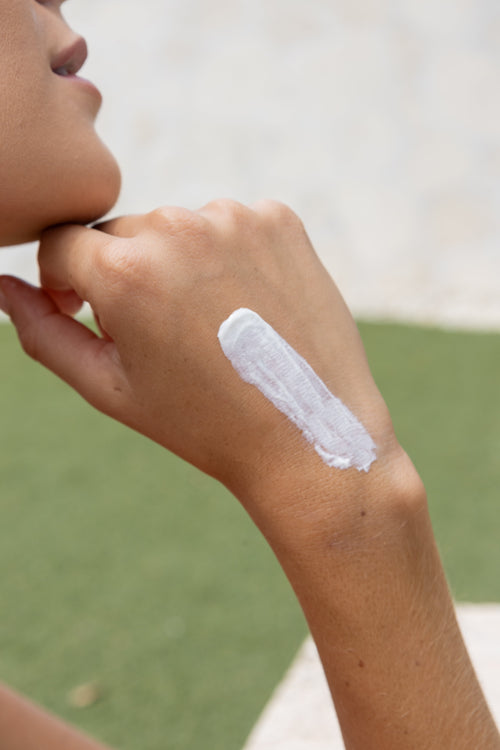
Exposure to the sun’s UV rays can cause dryness and hyperpigmentation on the lips, making them peel and appear darker. Wear a daily lip balm with a minimum SPF 15 to protect your lips from harmful UV rays, along with your daily face and body sunscreen. Mineral-based formulas protect your lips immediately, creating a physical shield between your skin and the sun’s rays.
Why Are My Lips So Dry All of a Sudden? If your lips suddenly become extremely dry or start peeling without warning, it is usually triggered by an acute environmental change, a new ingredient contact allergy (cheilitis from lip balms or toothpaste), or severe dehydration. Furthermore, does peeling your lips make them darker? Yes, picking or peeling dry skin causes micro-trauma to delicate skin, triggering post-inflammatory hyperpigmentation that causes lips to look darker over time.
Learn more about protecting dark skin and preventing hyperpigmentation in our guide to mineral sunscreen for dark skin.
Quit Smoking
Along with a bajillion other negative health consequences, the nicotine and tar in cigarettes can cause lips to dry out, peel, and darken over time. Quitting smoking can help prevent further darkening and improve lip health, along with your overall skin and cardiovascular health. It’s a no-brainer for us, but we understand how tough quitting can be.
Could Coffee Be Causing Your Dry Lips?
Yes, your morning coffee could be the culprit! Caffeine acts as a diuretic, accelerating fluid loss in your body. When you consume high amounts of coffee or tea without balancing your water intake, systemic dehydration shows up first on your thin lip skin, leading to chronic dryness, tightness, and peeling throughout the day.
Caffeine’s also the easiest substance/drug to quickly overdo, often resulting in a jittery, shaky feeling. Keep your water bottle with you to drink plenty of water and limit your intake of caffeinated beverages. If you need some carbonation, try sparkling water or probiotic-based soda alternatives like Olipop and Poppi.
Prevention Tips
Hydration
Stay hydrated by drinking plenty of water throughout the day. Hydrated lips are less likely to become dry, chapped, and discolored. Set reminders on your phone to take regular water breaks, especially if you don’t have a water bottle with timed reminders/affirmations on it. That Stanley water bottle life does have its perks.
Sun Protection
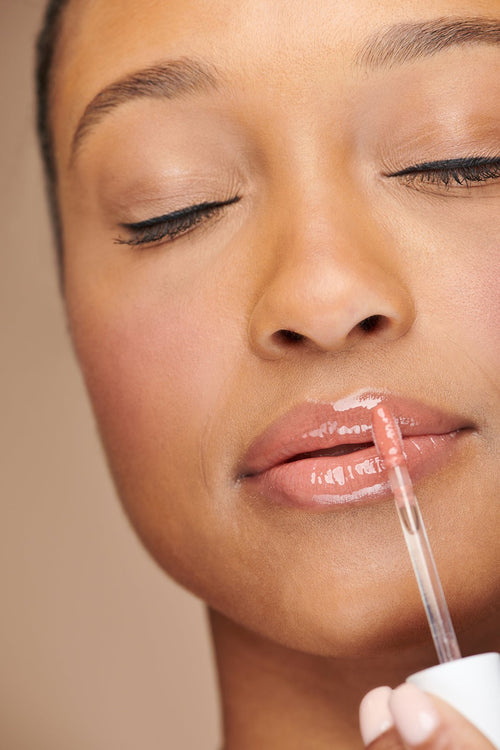
Always apply a broad-spectrum lip balm with SPF before heading outdoors to help prevent dry, peeling lips. Reapply every two hours, and more frequently after eating or drinking. Mama Sol 100% Mineral Tinted Lip Oil SPF 20 comes in two sheer, non-sticky shades with a hint of color: Rise and Shine.

LIPBRELLA™ 100% Mineral Tinted Lip Oil SPF 20
For deep nourishment paired with sun protection, read our full guide on SPF lip oil.
A Balanced Diet
Maintain a balanced diet rich in fruits, grains, lean protein, and vegetables. Foods high in vitamins and antioxidants can promote healthy, nourished lips. Vitamin A, which is found in eggs, milk, spinach, apricots, and carrots, helps lips and skin repair damage and retain moisture.
Nuts, fortified cereals and grains, leafy green vegetables, and vegetable oils are rich in vitamin E, which is an antioxidant that keeps skin smooth. Zinc, which is found in foods such as yogurt, beef, oyster, and lobster, can help skin and lips stay hydrated.
Why Non-Nano Zinc Oxide Belongs on Thin Lip Tissue
The Science of Lip Tissue:
-
Stratum Corneum Thickness: Standard facial skin has 15–20 layers of dead skin cells protecting it. Lip tissue (the vermilion border) has only 3 to 5 layers.
-
Zero Oil Glands: Lips lack sebaceous glands, meaning they cannot produce natural lipids or an acid mantle to retain moisture or block irritants.
-
Mucosal Sensitivity: Lip tissue borders mucous membranes, making it significantly more permeable and susceptible to chemical stinging.
Mineral Non-Nano Zinc Oxide vs. Chemical UV Filters:
-
Mechanism: 100% Mineral Non-Nano Zinc Oxide sits on top of the thin stratum corneum, reflecting and scattering UVA/UVB rays like a physical micro-shield. Chemical filters (Avobenzone, Octisalate, Oxybenzone) are absorbed into outer skin layers to transform UV rays into heat energy.
-
Skin Penetration: Non-nano zinc particles (>100nm) remain entirely on the outer surface with zero penetration. Chemical filters absorb into thin lip tissue, increasing the potential for internal ingestion and systemic exposure.
-
Irritation Potential: Mineral zinc oxide is inert, anti-inflammatory, and acts as a skin protectant that calms compromised skin. Chemical filters carry a high risk of contact cheilitis; heat release and chemical absorption frequently trigger burning, stinging, or allergic contact dermatitis on peeling lips.
-
Taste & Ingestion: Mineral zinc oxide has a neutral taste and is non-toxic if accidentally ingested. Chemical filters have a bitter taste and are frequently ingested during eating or drinking, leaving an unpleasant chemical residue.
Daily Lip Care Routine
Exfoliate
Gently exfoliate your lips once or twice a week to remove dead skin cells. Use a lip scrub or a mixture of sugar and honey for a natural option.
Moisturize
Keep your lips moisturized with a hydrating lip balm. Look for ingredients like shea butter, coconut oil, and hyaluronic acid, which all help lock in moisture and provide a barrier for the skin.
For exact steps on how to order your daily SPF and lip protection, check out our guide on where sunscreen goes in your skincare routine.
Lip Hydration & Barrier Protection Matrix
This breakdown explains how key skincare ingredients interact with damaged lip barriers to protect against Transepidermal Water Loss (TEWL), the rate at which water evaporates through compromised skin:
-
Plant Waxes (Candelilla, Carnauba, Rice Bran): Classification: Occlusive Agent. TEWL Protection: High (~80-85% loss reduction). Barrier Interaction: Creates a durable, flexible water-resistant barrier over thin lip tissue without petro-chemicals. Best Used For: Locking in existing moisture and long-lasting outdoor protection. Drawbacks: Can feel heavy if formulated without light balancing oils.
-
Shea Butter: Classification: Emollient & Mild Occlusive. TEWL Protection: Moderate-High (~60-70% loss reduction). Barrier Interaction: Softens rough patches, fills intracellular gaps in peeling skin, and supplies essential fatty acids (oleic & stearic). Best Used For: Repairing flaky texture and restoring lipid flexibility. Drawbacks: Does not form a completely impermeable seal on its own; best paired with waxes.
-
Hyaluronic Acid: Classification: Humectant. TEWL Protection: Low (0% occlusive capability). Barrier Interaction: Draws water from deeper tissue layers and atmospheric humidity into dry surface cells. Best Used For: Plumping dehydrated cells and instantly smoothing fine lip lines. Drawbacks: Must be sealed in. If used alone in dry climates, it pulls moisture out of deep lip layers into dry air, worsening dehydration.
-
Petrolatum: Classification: Synthetic Occlusive. TEWL Protection: Very High (>98% loss reduction). Barrier Interaction: Forms a complete, heavy seal over skin, preventing nearly all water loss. Best Used For: Extreme emergency sealing of severe cracks. Drawbacks: Does not nourish or repair cell membranes; acts strictly as a passive seal. Can feel heavy or greasy.
Key Takeaway: A complete lip care routine requires balance: Hyaluronic Acid pulls water in, Shea Butter repairs and smooths cell walls, and Plant Waxes or Mineral Barriers lock it all down.
Home Remedies
Lemon & Honey
Lemon has natural lightening properties, and honey is a great moisturizer. Mix a few drops of lemon juice with a teaspoon of honey and apply the blend to your lips. If you feel any irritation at all, rinse off immediately. Otherwise, leave it on for 15-20 minutes before rinsing off with lukewarm water.
Aloe Vera Gel
The water-rich pulp of the aloe vera plant is soothing and hydrating, which is why it’s frequently used on sunburn, irritated skin, and heat-related burns. Apply fresh aloe vera gel to your lips and leave it on overnight. This can help lock in hydration and lighten lip color over time.
Lip Care Products We Like
- Blue Lizard Mineral Lip Balm SPF 15: Water-resistant for up to 80 minutes, this mineral lip balm is ideal for outdoor activities, swimming, and playing sports.
- Mama Sol LIPBRELLA 100% Mineral Tinted Lip Oil SPF 20: Gives you non-sticky shine and a hint of color with reef-friendly, non-nano zinc oxide for broad-spectrum protection.
- Colorescience Sunforgettable Total Protection Color Balm SPF 50: Great color payoff plus sun protection for eyes, lips, and cheeks; shades are flattering on a wide range of skin tones.
-
ATTITUDE Leaves Bar Lip Balm SPF 15: This plastic-free lip balm is EWG (Environmental Working Group) certified with a biodegradable formula that softens lips with UV protection.
Choosing the Right Lip Formula: Sensory & Texture Ratings
Use this comparative guide to choose the right lip format based on your active routine, sensory preferences, and current level of peeling:
Lip Oils (e.g., Mineral Tinted SPF Oils):
-
Tackiness / Stickiness: 1/5 (Silky, non-sticky glide)
-
Wear Time / Longevity: 3/5 (1–2 hours; needs reapplication)
-
Breathability & Comfort: 5/5 (Weightless, zero suffocation)
-
Flake-Smoothing Power: 5/5 (Oil instantly softens rough edges)
-
SPF Layering Compatibility: 5/5 (Spreads mineral pigments evenly)
Hydrating Lip Balms (Sticks/Tubes):
-
Tackiness / Stickiness: 2/5 (Creamy, low tack)
-
Wear Time / Longevity: 3/5 (2–3 hours)
-
Breathability & Comfort: 4/5 (Comfortable, soft)
-
Flake-Smoothing Power: 4/5 (Covers flakes smoothly)
-
SPF Layering Compatibility: 4/5 (Good buildable coverage)
Solid Wax Sticks:
-
Tackiness / Stickiness: 2/5 (Waxy, firm film)
-
Wear Time / Longevity: 4/5 (3–4 hours; highly durable)
-
Breathability & Comfort: 3/5 (Noticeable barrier film)
-
Flake-Smoothing Power: 2/5 (Can catch or drag on dry peeling bits)
-
SPF Layering Compatibility: 3/5 (Can tug during reapplication)
High-Shine Lip Glosses:
-
Tackiness / Stickiness: 5/5 (High tack, sticky)
-
Wear Time / Longevity: 2/5 (1–2 hours)
-
Breathability & Comfort: 2/5 (Heavy, thick coating)
-
Flake-Smoothing Power: 3/5 (Visually coats but doesn't soften deep flakes)
-
SPF Layering Compatibility: 1/5 (Prone to uneven pooling)
Quick Selection Guide:
-
For Active Peeling & Stinging: Opt for Lip Oils, they provide instant lubrication without dragging across painful flakes or tearing delicate skin.
-
For All-Day Outdoor Activity: Opt for Hydrating Balms or Wax-Based Mineral Sticks for prolonged water-resistant protection against wind and UV.
-
For Everyday Sun Protection & Color: Use Tinted Mineral Lip Oils with SPF to combine weightless moisture, uniform mineral SPF distribution, and non-sticky shine.
Makeup Tips for Dry Lips
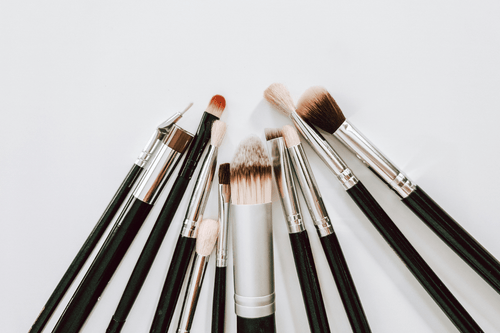
Lip Primer
Use a hydrating lip primer to create a smooth base and help give your lip color something to grip.
Lip Pencil + Liner
Line your lips with a lip pencil and prevent feathering and color bleeding. You can also fill in lips with a lip liner that complements your lipstick or gloss shade to create a stain-like effect that lasts longer than lip color solo.
Lipstick, Lip Gloss or Lip Stain
Choose a lip color that offers full coverage and a moisturizing formula. Deep, saturated colors like red and berry shades can help even out the appearance of your lips.
Debunking Common Myths
Myth: My Lips Will Always Be Dry
Dry, chapped lips are often treatable with the right care and changes in daily habits. Daily sunscreen usage, better hydration, and avoiding or quitting bad habits like smoking or cutting down on caffeine can lead to visible changes.
Myth: I’m Addicted to Lip Balm
Using lip balm frequently does not make your lips dependent. Regular use of a lip balm with SPF 15 or higher can help prevent dryness, peeling, discoloration, hyperpigmentation, sun damage, and skin cancer.
As always, consistency is key, so creating new habits and sticking to them is the best way to diminish dry, peeling lips and prevent hyperpigmentation in the future.
Frequently Asked Questions
Q: Why are my lips always dry and peeling?
A: Your lips lack oil glands, making them prone to dryness. Continuous peeling and dryness are usually caused by sun exposure, dehydration, caffeine consumption, mouth breathing, or habitual lip licking.
Q: Why are my lips so dry all of a sudden?
A: Sudden lip dryness is frequently caused by acute dehydration, rapid weather changes, allergic reactions to lip products (contact cheilitis), or excessive caffeine intake.
Q: Does peeling your lips make them darker?
A: Yes. Manually peeling or picking dry skin on your lips causes micro-injury to the delicate skin layer, triggering post-inflammatory hyperpigmentation that leaves lips appearing darker.