

 It’s a dangerous myth that those with deeper hues and dark skin tones don’t need sunscreen like those with fair or pale complexions. While increased melanin offers some natural protection from the sun, it does not prevent UV damage entirely. Sun exposure can lead to hyperpigmentation, premature aging, and even skin cancer.
The best way to protect dark skin—and any skin of any shade— is with daily sunscreen use. However, finding the right sunscreen, especially a mineral one, can be challenging due to white cast issues. If you're new to this, you might be wondering, what is mineral sunscreen, and how is it different from regular or chemical sunscreens?
|
Product |
SPF |
Best For... |
Finish |
Key Benefits |
|
Live Tinted Hueguard |
30 |
Versatility |
Natural/Dewy |
A 3-in-1 moisturizer, primer, and SPF designed specifically for deeper skin tones. |
|
Tatcha The Silk Sunscreen |
50 |
Dry Skin & Texture |
Radiant Glow |
Liquid-silk texture that minimizes pores and provides intense hydration. |
|
EltaMD UV Clear (Tinted) |
46 |
Acne & Sensitivity |
Sheer/Natural |
Oil-free formula with Niacinamide to calm redness and clear pores. |
|
Black Girl Sunscreen (Make It Matte) |
45 |
Oily Skin |
Matte |
Gel-based formula that controls shine while remaining completely translucent. |
|
Summer Fridays ShadeDrops |
30 |
Makeup Prep |
Satin/Sheer |
Extremely lightweight "milk" consistency that layers beautifully under foundation. |
|
MDSolarSciences Mineral Moisture Defense |
50 |
Active Lifestyles |
Soft-Focus |
Water-resistant (80 min) and non-greasy; great for sports and outdoor use. |
Why Dark & Black Skin Still Needs Sun Protection
It’s a mistaken belief that melanin-rich skin is immune to sun damage. The truth is that UV exposure affects all skin tones no matter how light or dark. Prolonged sun exposure can cause dark spots, uneven skin tone, sunburn, and even increase the risk of skin cancer.
While chemical sunscreens work by absorbing UV rays and releasing them as heat, mineral sunscreens act as a physical barrier on top of the skin, reflecting UVA and UVB rays. If you're unsure about the difference between these two types of sunscreens, check out our comparison on mineral sunscreen vs chemical sunscreen.
The White Cast Problem: Why Most Mineral Sunscreens Don't Work on Dark Skin
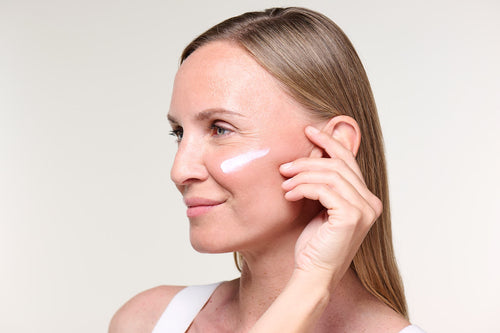
One of the biggest challenges of using mineral sunscreen on dark skin is the white cast, which looks like a streaky white shadow that’s harder to blend in. Many traditional mineral sunscreens use reef-safe zinc oxide and titanium dioxide, which are naturally white in color.
These can leave a visible residue on darker skin tones and sometimes be more difficult to blend evenly, making the product less appealing. Fortunately, newer formulations, including tinted and extra-hydrating options, have been designed to blend seamlessly into melanin-rich skin. If you're looking for an eco-friendly sunscreen option, there are brands that focus on both inclusivity and sustainability—check them out here.
Best Ingredients in Mineral Sunscreen for Dark Skin
When choosing a mineral sunscreen for dark skin, look for:
- Zinc Oxide & Titanium Dioxide: These are the two safe, FDA-approved mineral UV filters that provide broad-spectrum protection in mineral sunscreen.
- Tinted Formulas: These help counteract any potential white cast by blending with natural and deeper skin tones and giving buildable color coverage.
- Hydrating Ingredients: Hyaluronic acid, glycerin, and squalane can prevent dryness and increase blendability.
- Antioxidants: Vitamins C and E help protect against environmental stressors and reduce hyperpigmentation.
If you're following a pregnancy skincare routine, it's important to choose a pregnancy-safe sunscreen.
How to Choose the Right Mineral Sunscreen for Your Skin Type
Different skin types require different formulations:
- Oily Skin: Look for lightweight, non-comedogenic sunscreens with a matte finish.
- Dry Skin: Opt for hydrating formulas with added moisturizers like squalane or ceramides.
- Sensitive Skin: Choose fragrance-free, hypoallergenic options with soothing ingredients like aloe vera. Look for dermatologist-tested formulas.
For everyday wear, dermatologists recommend SPF 30 or higher to ensure adequate protection. If you're interested in the best mineral sunscreen for face, here are some top recommendations: Mama Sol’s top picks.
Best Mineral Sunscreens for Dark & Brown Skin
Some brands have formulated mineral sunscreens that work well for deeper skin tones, including:
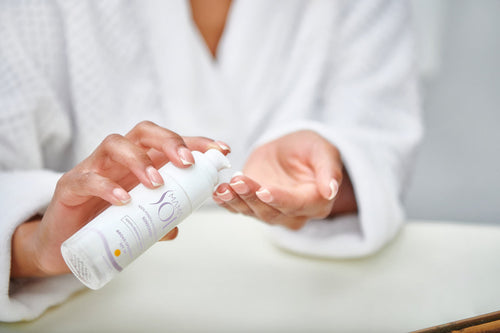
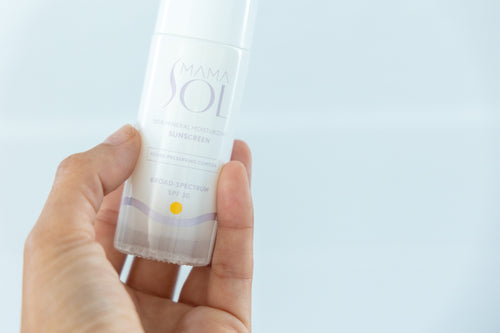
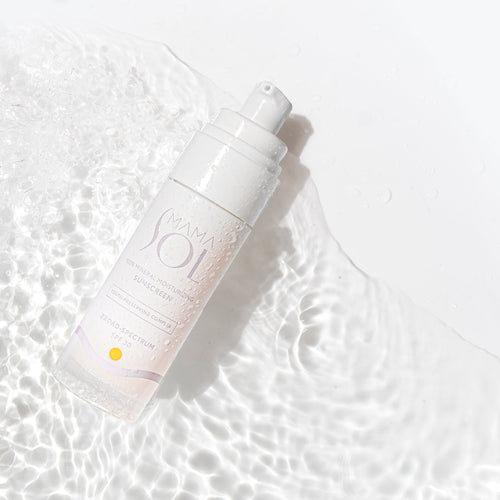
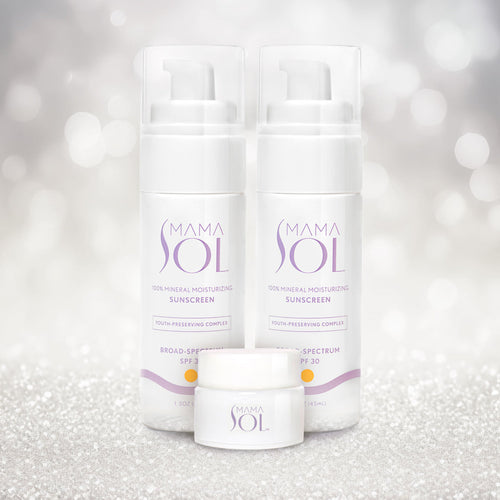
- 100% Mineral Moisturizing Sunscreen SPF 30: Silky and lightweight, it applies white but blends seamlessly into the skin, becoming translucent. Safe and nourishing for sensitive skin, pregnant moms, and nursing mamas.

FACEBRELLA™ 100% Mineral Moisturizing Sunscreen SPF 30
- Colorescience Sunforgettable Total Protection Face Shield Flex SPF 50: Tinted with tone-adapting buildable color coverage with a demi-matte finish; comes in four shades; great for sensitive skin.
- EltaMD UV Clear Deep Tinted Broad-Spectrum SPF 46: Designed and tested on deeper skin tones, it has niacinamide to reduce the appearance of blemishes and discoloration. Great for oily, combination, acne-prone, and sensitive skin.
- Live Tinted Hueguard 3-in-1 Mineral Sunscreen: Complements a wide range of skin tones; this multipurpose moisturizer and primer with SPF has great blendability for all skin types and genders.
- Supergoop! Mineral Mattescreen SPF 40: A tinted, mattifying mineral sunscreen that smooths the appearance of skin, blurs pores, and primes skin for makeup. Great for oily and sensitive skin.
All of these options are available online and at major beauty retailers.
How to Apply Mineral Sunscreen on Dark Skin Without White Cast
To avoid a white cast, apply your mineral sunscreen correctly
- Warm it up: Rubbing the sunscreen between your fingers before applying helps it blend better.
- Use the right amount: Apply at least a nickel-sized amount to your face and blend well. When applying mineral sunscreen to your body, use at least a shot-glass amount.
- Layer with skincare: Applying sunscreen after moisturizer can help with absorption.
- Opt for a tinted formula: These blend better with darker skin tones.
- Reapply throughout the day: Every two hours if you’re outside, and more frequently if sweating or swimming.
Wondering about the benefits of wearing sunscreen every day? Check out these real results of daily sunscreen use.
Daily sun protection is a must for all skin tones, and mineral sunscreen provides a safe, effective way to shield dark skin from UV damage. While finding the right mineral sunscreen can be challenging due to potential white cast from zinc, newer tinted formulas have made sun protection more inclusive and designed for deeper skin tones. With the right product and application techniques, you can protect your skin while addressing any skin challenges like hyperpigmentation, acne, blemishes, dryness, or oiliness.
For more sunscreen tips for summer, check out these expert recommendations. Also, if you’ve ever wondered, Do you need sunscreen indoors? Find out why it still matters.
Frequently Asked Questions
Q: Is mineral sunscreen better for black skin?
A: Yes, mineral sunscreens (Zinc/Titanium) are often preferred for black skin as they are less likely to trigger heat-related hyperpigmentation compared to chemical filters.
Q: What SPF should dark skin use?
A: Dermatologists recommend SPF 30 or higher for all skin tones, including dark and Black skin. SPF 30 blocks approximately 97% of UVB rays, while SPF 50 blocks around 98%. For everyday wear, SPF 30 is sufficient. If you're spending extended time outdoors, swimming, or sweating, SPF 50 with water resistance gives you a better safety margin — especially if you don't reapply as often as recommended.
Q: Do people with dark skin need mineral sunscreen?
A: Yes, dark and Black skin needs daily sun protection just as much as any other skin tone. While melanin does offer some natural defense against UV rays, it doesn't fully prevent sun damage. Prolonged exposure can still cause hyperpigmentation, premature aging, uneven skin tone, and even skin cancer.
Mineral sunscreen is especially recommended for melanin-rich skin because it uses zinc oxide and titanium dioxide, two FDA-approved filters that sit on top of the skin and physically block UV rays, rather than being absorbed into the skin like chemical sunscreens. This makes mineral formulas gentler, less irritating, and a safer option for sensitive or acne-prone skin.
Q: Is mineral sunscreen or chemical sunscreen better for Black skin?
A: Both types protect effectively, but mineral sunscreen is generally the preferred choice for Black and dark skin for several reasons. Mineral formulas with zinc oxide and titanium dioxide are less likely to irritate sensitive skin, don't absorb into the bloodstream, and are free of potentially hormone-disrupting chemicals like oxybenzone — which is a concern for pregnant or nursing mothers in particular.
Historically, the white cast from mineral sunscreens made them less popular among people of color. But with tinted and ultra-blendable formulas now widely available, mineral sunscreen has become a practical and safer option for all skin tones. For dark skin specifically, look for tinted mineral sunscreens with hydrating ingredients like squalane or hyaluronic acid to get the best blend and finish.
Let’s Stay in Touch! Have questions about finding the perfect mineral sunscreen for dark skin or need a little extra guidance on your skincare journey? We’re here to help!
At Mama Sol, we’re all about community and helping you find that "hydration hug" for your unique glow. Click here to Get In Touch—we’d love to hear from you!